
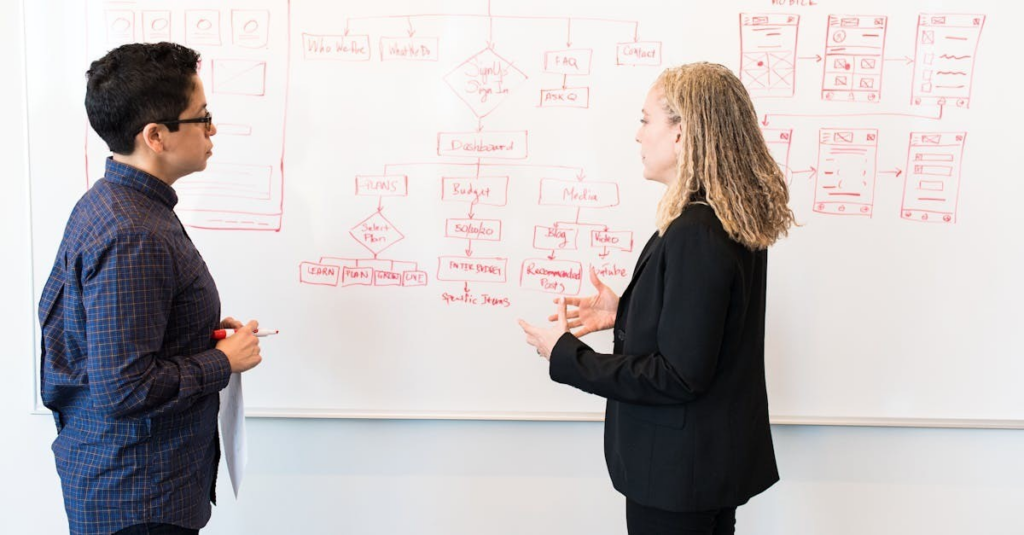
Web development project management might sound like a mouthful, but fear not. It’s our golden ticket to turning creative chaos into user-friendly websites. Think of it as herding cats, but each cat is a line of code, a design element, or a deadline. Here, we’ll uncover the secrets to navigating the twists and turns of web project management, making it not just manageable but downright enjoyable. Who says project management can’t be a little fun? Let’s immerse.
Understanding Web Development Project Management
Web development project management serves as the backbone of every successful online venture. It’s where vision meets execution, transforming abstract ideas into tangible results. By managing projects effectively, we ensure that every team member, from designers to developers, understands their role and completes tasks on time. Familiarity with methodologies like Agile or Scrum can enhance our ability to adapt and respond to changes quickly. And remember, it’s all about communication. Keeping everyone in the loop not only fosters a positive team environment but also leads to higher-quality outcomes.
Key Phases of Web Development Projects
Every web development project flows through several key phases. First comes the planning phase, where we outline goals, target audiences, and timelines. Then, we enter the design phase, crafting wireframes and mockups that resonate with our vision. Next up is the development phase, where we bring our designs to life through coding. After development, we move to the testing phase, diligently troubleshooting any issues to ensure a smooth user experience. Finally, we embark on the launch phase, where our hard work goes live, ushering in an explosion of excitement and hopefully a few celebrations. Each phase is critical, and we must allocate appropriate resources and time to each.
Essential Skills for Effective Project Management
Successful project management requires a blend of skills. For starters, we need organizational skills to keep everything on track. Then there’s the invaluable communication skill. Let’s face it: clear communication can save us from endless headaches. Keeping stakeholders informed and motivating team members are vital duties. Next up is problem-solving: we’ll encounter unexpected issues, but a cool head and a creative approach can make all the difference. Finally, staying tech-savvy can elevate our management game. Familiarity with various programming languages and frameworks can help us understand the developers’ challenges better.
Tools and Technologies for Project Management
Navigating web development projects is easier with the right tools. For instance, Trello helps us visualize our tasks while Slack fosters seamless communication among team members. Asana and Jira are also fantastic for tracking project progress and sprint planning. These technologies streamline our efforts, making it easier to manage time and resources efficiently. When we embrace tools tailored for web development, we enhance our ability to hit deadlines without sacrificing quality.
Common Challenges and Solutions in Web Development Projects
No project is without its hurdles. One common challenge is scope creep, where additional features sneak in unexpectedly, altering timelines and budgets. Setting clear initial expectations and sticking to them helps avoid this pitfall. Another challenge is the lack of communication, it can turn a smooth project into a chaotic disaster. Regular check-ins and updates can bridge communication gaps. We may also face technical difficulties, where bugs or compatibility issues arise. Conducting thorough testing and being open to feedback will help mitigate these issues before launch.
Best Practices for Successful Project Management
To ensure our project management is top-notch, we can adopt several best practices. First off, set clear goals, knowing what we want to achieve keeps us focused. Next, adhere to a well-defined timeline: it helps us track progress and avoid last-minute rushes. Implementing regular team meetings promotes transparency and collaboration. Always encourage feedback from team members, everyone has unique insights that can enhance the project. Finally, remember the importance of celebrating wins, no matter how small. Recognizing our successes keeps morale high and fuels motivation.