
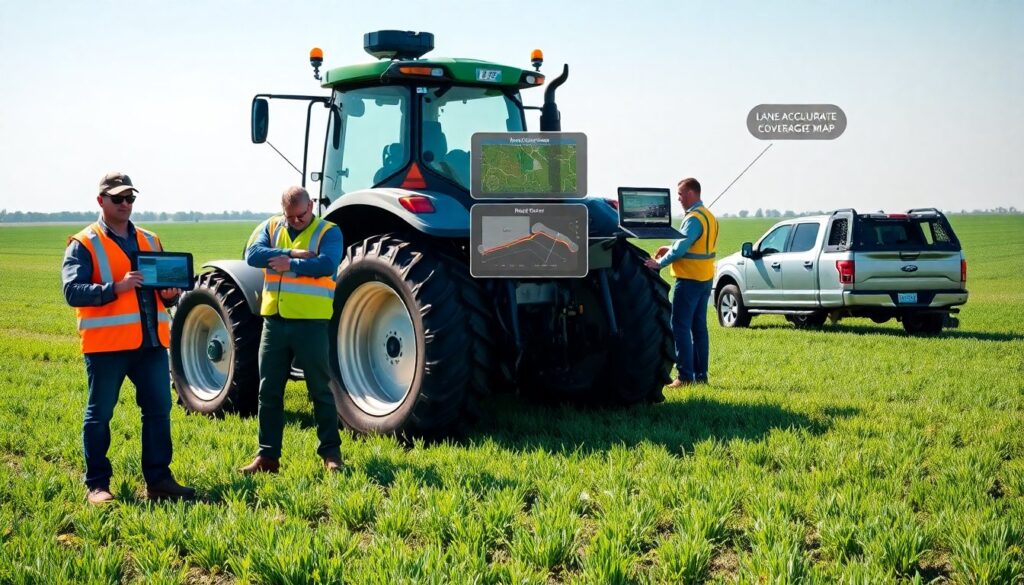
Bear Flag Robotics shows how autonomous tractors can increase efficiency on farms. The company builds self-driving tractors that handle planting, spraying, and tilling. Farmers can reduce labor hours and keep machines running longer. Investors and equipment makers watch Bear Flag Robotics for its blend of hardware, software, and field data.
Key Takeaways
- Bear Flag Robotics transforms existing tractors into autonomous machines, helping farmers increase efficiency and reduce labor hours on row-crop and specialty farms.
- Their autonomous tractor technology uses cameras, radar, and RTK GPS to safely control planting, spraying, and tilling tasks with high precision.
- The company’s business model includes conversion kits, service contracts, and partnerships with OEMs and dealers, making adoption flexible and affordable for small to mid-size farms.
- Bear Flag Robotics integrates software updates and remote diagnostics to continuously improve tractor performance and fit existing farm workflows.
- Safety and regulatory compliance involve redundant braking systems, operator presence, and collaboration with regulators, addressing adoption challenges for growers.
- Farmers benefit from higher daily field coverage, reduced overtime costs, and detailed field data for better input planning when using Bear Flag Robotics autonomous tractors.
What Is Bear Flag Robotics And Why It Matters To Modern Agriculture
Bear Flag Robotics is a company that converts tractors to drive themselves. The firm fits existing tractors with sensors and control units. Farmers can keep familiar equipment while adding autonomy. The company targets row-crop farms and specialty crops. Bear Flag Robotics sells conversion kits and support services. The approach lowers entry cost for growers. Analysts note that Bear Flag Robotics helps farms deal with labor shortages. The firm also helps reduce missed field windows after rain. Many growers report higher daily field coverage when they use Bear Flag Robotics systems. The systems collect field data that help managers plan inputs and timing.
How Their Autonomous Tractor Technology Works
Bear Flag Robotics uses cameras, radar, and GPS to sense the field. The sensors feed a central computer that controls steering and speed. The autonomy stack runs perception, planning, and control software. The software translates sensor data into safe tractor actions. Bear Flag Robotics engineers test the stack in simulator and in real fields. The team tunes behavior for crop rows, headlands, and obstacles. Operators set field boundaries and task plans through a web console. The system follows those plans and reports progress. Bear Flag Robotics updates software over the air to add features and fixes. The design aims to fit existing farm workflows and service schedules.
Sensors, Autonomy Stack, And Field Integration
Cameras provide visual cues for row detection and obstacle spotting. Radar adds reliable detection in dust and low light. RTK GPS gives lane-level accuracy for passes. The autonomy stack processes sensor input and issues control commands. Bear Flag Robotics uses machine learning models for plant row following. The system logs sensor data and machine states for later review. Technicians use logs to diagnose issues and improve performance. Hardware mounts attach to the tractor frame and to implements. Field integration includes mapping, geofencing, and task scheduling. The company trains farm staff on setup, safety checks, and daily use. Support teams offer remote diagnostics and periodic on-site visits.
Business Model, Partnerships, And Market Traction
Bear Flag Robotics sells conversion kits and service contracts. The company also partners with OEMs and dealers for installations. Several major dealers added Bear Flag Robotics options to their portfolios by 2025. The firm formed partnerships with precision ag software firms to share maps and telemetry. Ag retailers tested the kits for custom spraying and seeding services. Venture capital and strategic investors funded product scaling. Bear Flag Robotics expanded trials across Midwestern and West Coast farms. Early customers reported higher utilization of tractors and lower overtime costs. The company charges per-acre or per-hour fees in some contracts. That flexibility helps small and mid-size farms adopt the technology without large upfront cost. Industry trade shows and demonstration days helped the company win new pilot customers.
Regulatory, Safety, And Adoption Challenges For Growers
Regulators set rules for remote operation of farm equipment. States vary in how they permit autonomous tractors on public roads. Bear Flag Robotics works with regulators to meet signals and lighting rules. Safety rules require a trained operator on site for many tasks. The company builds redundant brakes and emergency stop systems into its kits. Insurance providers assess liability for autonomous operation. Some insurers still require manual controls on tractors. Growers must change workflows and hire or retrain staff. Many growers worry about initial cost and service availability. Field conditions such as steep slopes and heavy residue can limit operation. Bear Flag Robotics documents limits and offers planning tools. The firm recommends staged adoption and close monitoring during first seasons. Peer networks and dealer support help growers adopt the systems with less risk.